What Is Lead Generation? Definition, Types & What Actually Drives Pipeline in 2026

Andrea López
Share
Key Takeaways (TL;DR)
Lead generation is the process of attracting and identifying potential customers, known as leads, and moving them toward a sale. It sits at the start of every sales pipeline, before a prospect ever becomes a paying customer.
Understanding what B2B lead generation is, matters because business buying involves longer sales cycles, multiple decision-makers, and higher deal values than typical consumer purchases, which changes how a pipeline needs to be built.
Lead generation and demand generation are related but different: lead generation captures interest that already exists, while demand generation creates awareness before a buyer is actively looking.
Inbound and outbound lead generation work best together rather than as a choice between the two, since each one reaches a different type of buyer at a different stage of readiness.
We built Enginy as an AI-powered, end-to-end GTM platform specifically to close the gap between finding a lead and actually reaching them, combining signal-based list building, data enrichment, and multichannel outreach in one workspace.
What Is Lead Generation?: at a Glance
Aspect | Key Insight |
Definition | The process of attracting and identifying potential customers before they become paying customers |
Related but distinct concept | Demand generation, which creates market awareness before a buyer is actively searching |
Core categories | Inbound lead generation and outbound lead generation |
Lead qualification stages | MQL, SQL, PQL, and CSQL, marking how far a lead has progressed toward buying |
B2B specific factor | Longer sales cycles, multiple stakeholders, and higher deal values than consumer buying |
Average B2B buying cycle | Around 11.3 months for a typical business purchase decision |
Common outbound methods | Cold email, cold calling, social prospecting, multichannel sequencing |
Common inbound methods | Content marketing, SEO, webinars, gated resources, referrals |
Where does AI fit in? | Automating research, enrichment, and first-touch outreach so reps focus on conversations |
What Is B2B Lead Generation?

B2B lead generation is the process of identifying and engaging other businesses as potential customers, rather than individual consumers.
The mechanics overlap with general lead generation, but three structural differences set what is B2B lead generation apart from consumer buying:
Multiple decision-makers: A single purchase often involves a buyer, an economic decision-maker, and one or more technical evaluators, so outreach needs to reach several people at the same account.
Longer sales cycles: The average B2B buying cycle now runs around 11.3 months, so a strategy has to account for sustained follow-up rather than a single touch.
Higher average deal value: Because contracts are worth more, teams can justify more personalised, research-heavy outreach per lead than a typical consumer funnel would support.
Generic, one-size-fits-all outreach performs poorly here, since a message built for one consumer decision rarely holds up when three or four stakeholders need convincing.
Teams that treat what is B2B lead generation as identical to consumer lead generation tend to under-invest in research and over-invest in volume, when the better approach flips that ratio.
B2B lead generation is also typically split across two aligned functions: sales development reps source, qualify, and book meetings, while account executives take qualified opportunities through to close.
When these groups define a "good lead" differently, leads get dropped before follow-up, or sales spends time on contacts that were never a real fit.
Lead Generation vs Demand Generation: What's the Difference?

These two terms get used interchangeably, but they describe different stages of the same process, and mixing them up leads to the wrong strategy.
The core distinction comes down to timing and intent:
Lead generation: captures interest that already exists. If someone is actively searching for a solution and fills out a form or replies to outreach, that's lead generation at work: converting existing intent into a contact your team can follow up with.
Demand generation: creates interest before a buyer is actively looking. It's the content, positioning, and brand-building activity that makes your company the obvious choice once someone does start evaluating options.
Without demand generation, lead generation ends up entirely dependent on timing, since it can only capture demand that happens to already exist.
The two work best together. Demand generation builds the pool of people who will eventually search for a solution, while lead generation is the mechanism that captures and converts them once they do.
Businesses that only invest in lead generation tend to see inconsistent results tied closely to market timing, while those that build both tend to see more stable, compounding pipeline growth over time.
Types of Lead Generation

Most lead generation activity falls into a handful of recognisable categories.
Knowing which type you're running, and why, makes it easier to measure what's actually working. It's also a useful lens for answering what lead generation is supposed to achieve for your specific business model.
1. Inbound Lead Generation
Inbound lead generation attracts prospects who come to you first, typically through content, search visibility, or word of mouth.
The prospect initiates contact, which usually means they arrive with some baseline awareness of the problem they're trying to solve.
Because the prospect is the one reaching out, inbound leads tend to arrive warmer than outbound ones, often already familiar with your brand or the specific piece of content that brought them in.
The trade-off is speed: inbound takes longer to build momentum, since it depends on content and search visibility compounding over time rather than producing results the moment a campaign launches.
2. Outbound Lead Generation
Outbound lead generation involves proactively reaching out to prospects who haven't yet engaged with your business.
This includes cold email, cold calling, and direct social outreach, and it puts the initiative in the hands of the sales team rather than waiting for the prospect to act first.
This control is outbound's main advantage: a team can decide exactly which accounts and personas to target, rather than waiting to see who happens to find them.
The trade-off is that outbound prospects start colder, with no prior context or trust established, so the message and timing have to work considerably harder to earn a reply.
3. Account-Based Lead Generation
Account-based lead generation flips the usual approach by starting with a list of specific target accounts, then working to engage multiple stakeholders within each one.
Rather than generating a broad pool of individual leads, the goal is to build relationships across an entire organisation before a deal ever reaches a decision stage. This is where execution usually breaks down.
Reaching a CEO in isolation, then following up with a departmental head weeks later, rarely builds the internal consensus a deal needs.
At Enginy, our multichannel outreach campaigns are built to solve exactly this: running coordinated sequences to a CEO, a department head, and a technical evaluator at the same account in parallel, so the whole organisation has context on the vendor before a single call takes place.
This approach tends to suit higher-value deals well, since the extra research and coordination required per account is easier to justify when a single closed deal carries significant revenue.
4. Referral-Based Lead Generation
Referral-based lead generation relies on existing customers, partners, or contacts to introduce new prospects.
Because the introduction carries built-in trust, referral leads typically convert at a noticeably higher rate than cold outreach.
The main limitation is scale: referrals depend on having a base of happy customers willing to make an introduction, which means this channel usually works best as a complement to other methods rather than a primary source of new pipeline.
5. Paid Lead Generation
Paid lead generation uses advertising, whether search ads, social media ads, or sponsored content, to attract prospects directly.
It offers more control over volume and targeting than organic methods, though it comes with an ongoing cost per lead that inbound and referral channels don't carry. Which type fits best often comes down to how your business sells.
Product-led companies, where prospects can try the product before talking to anyone, tend to lean on inbound and referral generation, since a hands-on trial does much of the convincing.
Sales-led companies, where a rep needs to build a case before a prospect fully understands the value, typically lean more heavily on outbound and account-based generation to create that first conversation.
Types of Qualified Leads

Not every lead is at the same stage of readiness, and treating them as if they are wastes time on both sides. Most B2B teams sort leads into four categories.
Marketing Qualified Lead (MQL): A lead that has engaged with marketing content or activity, such as downloading a guide or attending a webinar, but hasn't yet been vetted by sales.
Sales Qualified Lead (SQL): An MQL that a sales rep has reviewed and confirmed shows genuine buying intent and fit, meaning it's ready for direct outreach or a first conversation.
Product Qualified Lead (PQL): A lead who has used the product itself, typically through a free trial or freemium plan, and shown enough engagement to suggest they're close to a buying decision.
Customer Success Qualified Lead (CSQL): A lead sourced from an existing customer relationship, often through expansion, upsell, or a referral from a happy account.
Sorting leads this way matters because the follow-up should look different for each one.
An MQL usually needs more nurturing before a sales conversation makes sense, while an SQL or PQL is often ready for direct contact immediately.
The Lead Generation Funnel
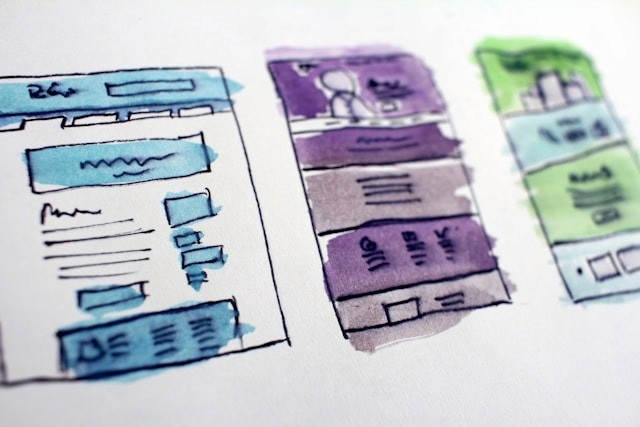
Most lead generation activity maps onto a three-stage funnel, and knowing which stage a piece of content or outreach is meant to serve keeps a strategy from working against itself.
This is also where a lot of confusion about what lead generation is, actually comes from – since a tactic that works brilliantly at one stage can fall flat at another:
Top of funnel (awareness): The goal here is simply getting noticed. Content marketing, SEO, and social visibility work best at this stage, since the prospect may not yet know they have a problem worth solving.
Middle of funnel (consideration): Once a prospect is aware of the problem, they start comparing solutions. Case studies, comparison content, and webinars work well here, since the prospect is now actively evaluating options rather than just learning.
Bottom of funnel (decision): The prospect is ready to choose. Product demos, free trials, and direct sales conversations belong here, since the content and channels need to remove any remaining friction to a decision.
A common mistake is pushing bottom-of-funnel content, like a demo request, at someone who's still at the awareness stage. It rarely converts, and it can actually push a prospect away before they're ready.
Why Lead Generation Matters for Business Growth?

Without a structured approach to lead generation, revenue becomes unpredictable. Sales teams end up reacting to whatever demand happens to show up, rather than proactively building a pipeline that supports consistent growth.
This is precisely what is lead generation meant to prevent: revenue that depends on luck rather than a repeatable process.
A few concrete reasons lead generation matters:
Predictable pipeline: A steady flow of new leads means revenue forecasting becomes a matter of tracking conversion rates, not guessing whether enough opportunities will appear.
Shorter time to revenue: Structured lead generation, particularly signal-based outbound, reaches prospects while they're already showing buying intent, which shortens the path from first contact to closed deal.
Better use of sales capacity: Sellers spend roughly 70% of their time on tasks that aren't selling. List building, data hygiene, research, tool-switching. Systematic lead generation reclaims that time and puts reps in qualified conversations instead.
Stronger market position: Companies that consistently generate and nurture leads build brand recognition over time, which compounds into an advantage that's hard for slower-moving competitors to close.
The channel mix matters, but the benchmarks are routinely misread. Data shows SEO-sourced leads closing at roughly 14.6%, against around 1.7% for typical outbound-sourced leads. That 1.7% is not a property of outbound. It's a property of untargeted outbound: static firmographic lists, unverified contact data, one channel, no signal. Change those four inputs and the number moves. Factorial doubled conversion from 4% to 8% and lifted reply rates from 10% to 45% running signal-based, multichannel outbound on Enginy.
The two channels solve different problems. Organic content converts well because the prospect arrives self-selected. Outbound reaches the accounts that will never self-select and converts in proportion to how well it's targeted.
Outbound-First B2B Lead Generation Methods
Outbound methods put the sales team in control of who gets contacted and when, which makes them particularly effective for targeting specific accounts or personas that inbound content alone wouldn't reach.
Here’s a few commonly used outbound lead generation methods:
1. Cold Email Outreach
Cold email remains one of the most scalable outbound methods, since a single rep can reach far more prospects by email than by phone in the same amount of time.
The messages that perform best in 2026 are short, reference a specific and current reason for contacting that person, and avoid generic templated language that reads as mass-sent.
Users on Enginy can leverage our AI personalisation features to pull insights like company news, funding information and contact-specific context automatically to craft highly-relevant, and contextual emails, without having to spend time manually researching each prospect before hitting “send”.
2. Cold Calling
Cold calling still works when it's backed by research rather than a random dial list.
A call that opens with a specific, relevant reason for reaching out, tied to a real signal like a recent hire or a funding round, performs meaningfully better than an unresearched cold call from a generic list.
3. Social Prospecting
Social prospecting involves identifying and engaging prospects through professional social platforms, using signals like recent posts, job changes, or shared connections to open a conversation naturally.
Because the platform context gives a rep something concrete to reference, social prospecting often produces warmer first replies than a cold email with no shared context.
4. Multichannel Sequencing
Rather than relying on a single channel, the strongest outbound programmes coordinate multichannel outreach across email, social platforms, and calling, so a prospect encounters the same message through more than one touchpoint.
Layering channels this way consistently produces higher reply rates than any single channel used alone, since each touch reinforces the ones before it.
In practice, this works best when the sequence adapts as it goes. Enginy's conditional campaigns, for instance, branch automatically based on prospect behaviour.
As a result, the sales rep isn't manually deciding whether the next touch should be a call, an email, or a social message.
5. Signal-Based and Intent-Driven Targeting
Signal-based outbound triggers outreach based on real events, such as: a job change, a hiring pattern, a technology stack change, or a funding round – rather than a static list built purely on firmographic filters like company size or industry.
Reaching an account while a relevant signal is still fresh tends to produce far higher engagement than contacting the same account at a random point in time.
Enginy’s list building filters are built around solving this; layering these signals directly on top of firmographic criteria, so an account surfaces the moment it starts showing buying behavior instead of waiting for the next manual list review.
Inbound-First B2B Lead Generation Methods

Inbound methods work on a longer timeline than outbound, but they build a pool of prospects who arrive already aware of the problem your product solves, which usually means an easier sales conversation once contact is made.
Given below, are some common inbound lead generation methods:
1. Content Marketing and SEO
Publishing content that answers the specific questions your buyers are already searching for builds a channel that keeps generating leads long after a given piece is published.
This is one of the more compounding forms of lead generation: older content keeps attracting visitors without ongoing spend. The catch is that it only converts the buyers who go looking. It won't reach the account that just hired a new VP of Sales and doesn't know your category exists yet.
2. Webinars and Events
Live and recorded webinars give prospects a reason to engage directly with your team, often revealing more about their specific situation than a static piece of content ever could.
Attendee lists from webinars and industry events are also some of the warmest lead sources available, since the context for a follow-up conversation already exists.
3. Lead Magnets and Gated Content
Offering a genuinely useful resource, a template, a benchmark report, or a detailed guide, in exchange for contact details is a long-standing but still effective way to convert anonymous website traffic into identifiable leads.
The key is making sure the resource is specific enough that downloading it signals real intent, rather than generic content nobody would pay attention to later.
4. Referral and Word-of-Mouth Programmes
Structured referral programmes turn happy customers into an active lead generation channel, rather than relying on them to mention your product only if it happens to come up naturally.
A clear ask at the right moment, typically right after a successful outcome, produces far more referrals than a passive assumption that satisfied customers will refer business on their own.
5. Community Building
Active participation in industry communities, whether online forums, professional groups, or niche events, builds familiarity with your brand well before a prospect is ready to buy.
This slower-building channel tends to produce leads that convert at a higher rate, since trust has already been established by the time direct contact happens.
How to Measure Lead Generation Success?

A lead generation programme is only as good as the metrics used to evaluate it.
Tracking the wrong numbers, or only tracking volume, hides whether the effort is actually contributing to revenue.
This is ultimately what lead generation success is supposed to look like in practice: fewer, better-qualified leads converting at a higher rate, not just a bigger number at the top of the funnel.
A few metrics worth tracking consistently:
Cost per lead: Useful for comparing channels against each other, though it should always be read alongside lead quality rather than in isolation.
MQL-to-SQL conversion rate: Industry averages sit around 13%, but teams that apply structured lead scoring rather than gut-feel qualification report conversion rates closer to 39 to 40%, making this one of the highest-leverage metrics to improve.
Time to first response: Leads contacted within minutes convert at noticeably higher rates than those left waiting hours or days, making this one of the more actionable metrics to monitor weekly.
Channel-level reply and conversion rates: Breaking results down by channel, whether that's cold email, social prospecting, or a specific piece of content, reveals which parts of the programme are actually working and which are quietly underperforming.
Pipeline generated per rep or per channel: This ties lead generation activity directly back to revenue, rather than stopping the measurement at the lead stage.
Reviewing these numbers regularly, rather than only at quarter-end, makes it possible to catch a declining channel early and reallocate effort before it drags down the whole pipeline.
Best Practices to Build a Strong Lead Generation Pipeline

A method only becomes a system once it's documented, repeatable, and consistently applied across the whole team.
The practices below separate lead generation programmes that scale from ones that stall out after initial results, and they're a good practical answer to what lead generation is supposed to look like once a team moves past ad hoc effort:
Define your ideal customer profile before building any list: Targeting the wrong accounts is the single biggest reason outbound lead generation underperforms, regardless of how good the messaging is.
Align sales and marketing on what counts as a qualified lead: Without a shared definition, marketing can flood sales with MQLs that never convert, while sales dismisses genuinely promising ones.
Layer signal-based targeting on top of firmographic filters: Reaching accounts during an active buying window consistently outperforms contacting the same list at a random point in the quarter.
Keep contact data clean and verified: A high bounce rate from unverified emails damages sender reputation and drags down every future campaign, not just the current one.
Consolidate list building, enrichment, and outreach into one workflow: Every handoff between tools is a place data goes stale, contacts get duplicated, and context gets lost. Most teams don't have a targeting problem or a data problem — they have four tools that don't talk to each other.
Coordinate outreach across channels rather than running them separately: A prospect who sees the same relevant message across email, social, and a call is far more likely to respond than one contacted through a single channel in isolation.
Apply structured lead scoring rather than gut-feel qualification: Moving from ad hoc judgment calls to a documented scoring model is one of the more reliable ways to lift MQL-to-SQL conversion significantly.
Track conversion rates by source, not just total lead volume: A channel producing fewer but higher-converting leads is often more valuable than one generating high volume with poor follow-through.
Review and refine the process monthly: Buyer behaviour and channel performance shift constantly, so a lead generation process that isn't revisited regularly tends to quietly decay in performance.
Keep the CRM as clean as the list: Efficient CRM management comes down to organisation, integration, data, and monitoring. A perfect list that lands in a CRM full of duplicates produces reporting nobody trusts and follow-up nobody owns.
Getting these eight practices right still won't guarantee results if a few avoidable errors are quietly undoing the work, which is exactly what the next section covers.
Common Lead Generation Mistakes to Avoid
Even well-resourced teams fall into predictable traps that quietly cap how much pipeline a lead generation programme can actually produce:
1. Skipping the Ideal Customer Profile
Sending the same message to every contact on a list, regardless of fit, wastes rep time on poor-fit accounts and dilutes the results reported for the whole programme.
2. Running It Across Four Disconnected Tools
A data provider, a separate sequencer, a cleaning tool, and a spreadsheet holding it together. Each tool works. The workflow doesn't. Contacts get duplicated, enrichment goes stale between the export and the send, and nobody can tell which channel produced the meeting. Tool sprawl also carries a cost most teams never put on the invoice: the rep hours spent moving data between systems.
3. Relying on a Single Channel
Treating email, social, and calling as separate, disconnected efforts rather than one coordinated sequence means each touch has to work alone instead of building on the ones before it.
Conditional sequencing inside Enginy solves this at the workflow level: if a prospect opens an email but doesn't reply, the next touch shifts channel automatically, so the sequence adapts to behaviour instead of repeating the same message in the same inbox.
4. Ignoring Data Quality
Working from a stale or unverified list guarantees a higher bounce rate, which damages domain reputation and quietly reduces the performance of every campaign that follows, not just the one being sent.
This is usually a data pipeline problem rather than a list-building one. Using Enginy, you can run enrichment through 30+ providers using waterfall logic, cross-checking each contact until a verified email or phone number is found.
This ensures that bad addresses get caught before it ever reaches a campaign rather than after it's already dragged down deliverability.
5. No Lead Scoring System
Treating every lead as equally important means reps spend time on low-intent contacts while genuinely promising ones wait too long for a follow-up.
It's one of the main reasons MQL-to-SQL conversion rates stay stuck around industry-average levels instead of improving.
6. Giving Up After One or Two Touches
Most leads don't convert on the first attempt, so a sequence that stops after a couple of touches abandons a large share of its own potential before it ever had a real chance to work.
7. Chasing Vanity Metrics
Optimising for raw lead volume instead of qualified pipeline creates a programme that looks productive on a dashboard while contributing very little to actual revenue.
Most of these mistakes share a root cause: treating lead generation as a series of disconnected tasks rather than one system where each part depends on the others.
Fixing data quality without fixing targeting, or adding more channels without coordinating them, tends to produce marginal improvement at best.
The Role of an AI-Powered GTM Platform in Lead Generation
Manual lead generation has always had a ceiling, set by how many contacts a person can research, enrich, and reach out to in a day.
AI-powered platforms are changing that ceiling by automating the research and data work that used to consume most of a sales rep's week, without removing the human judgement needed for actual conversations.
We built Enginy as an end-to-end GTM platform specifically to close the gap between finding a lead and actually reaching them. One of our customers, Factorial, used this exact approach to scale from ten manually-sourced leads a day to 5,000 leads a month, while lifting reply rates from 10% to 45%.
Rather than treating list building, data enrichment, and outreach as three separate tools bolted together, Enginy combines all three in one workspace, so a signal-based lead moves straight from discovery into a coordinated outreach sequence.
A few ways this changes day-to-day lead generation work:
Signal-based list building: Filtering by firmographics alongside layered intent signals like recent hires, job changes, and technology stack usage surfaces accounts that are actually showing buying behaviour, not just accounts that fit a static profile.
Automatic data enrichment: Verified emails and direct phone numbers get pulled from more than 30 providers using waterfall logic, so a list doesn't sit around going stale while someone manually checks each contact.
Coordinated multichannel outreach: Once a list is built and enriched, outreach launches directly across email, social platforms, and calling from the same workspace, so a rep isn't stitching together three separate tools just to run one campaign.
AI-assisted personalisation: Company news, contact context, and relevant signals get pulled into messaging automatically, reducing the manual research that otherwise limits how many accounts a rep can personalise for in a single day.
For a sales team asking what lead generation is supposed to look like in 2026, the honest answer is that the manual, spreadsheet-driven version is becoming the exception rather than the norm.
The teams pulling ahead are the ones treating lead generation as one connected system rather than a collection of disconnected tasks handled by different tools and different people.
Everything You Need to Know About Lead Generation
Category | Key Considerations |
What is lead generation? | Attracting and identifying potential customers before they become paying customers |
B2B distinction | Multiple decision-makers, longer sales cycles, higher average deal value |
Lead gen vs demand gen | Lead generation captures existing intent; demand generation creates it in advance |
Main types | Inbound, outbound, account-based, referral-based, and paid lead generation |
Lead qualification stages | MQL, SQL, PQL, and CSQL, reflecting how ready a lead is to buy |
Funnel stages | Top of funnel (awareness), middle (consideration), bottom (decision) |
Strongest outbound methods | Signal-based targeting, multichannel sequencing, social prospecting |
Strongest inbound methods | Content marketing, SEO, webinars, referral programmes |
Biggest mistake to avoid | Running outreach without a defined ideal customer profile |
Where does AI add the most value? | Automating research, enrichment, and first-touch personalisation |
Ready to Modernise Your Lead Generation? Try Enginy
Most lead generation programmes stall for one of two reasons: the data feeding them is stale, or the outreach happens across too many disconnected tools to stay coordinated.
We built Enginy to solve both at once, combining signal-based list building, verified data enrichment, and multichannel outreach in a single workspace. That means any sales rep – not just a technical operator, can go from an enriched, signal-based list to a live campaign without leaving the platform.
If your team is still asking what B2B lead generation is supposed to look like without three separate subscriptions and a spreadsheet holding it all together, our platform is built specifically for that gap.
Book a demo and see how Enginy handles list building, enrichment, and outreach from a single platform.
FAQs About Lead Generation
What is lead generation in simple terms?
Lead generation, in simple terms, is the process of attracting people or companies who might want what you sell and collecting enough information to start a conversation with them. The question: “What is B2B lead generation?” – follows the same logic, applied to business buyers rather than individual consumers. The end goal is always turning a stranger into a contact your team can follow up with.
What is B2B lead generation and how does it differ from B2C?
B2B lead generation is the process of identifying and engaging businesses, rather than individual consumers, as potential customers. It typically involves longer sales cycles, multiple stakeholders per deal, and higher average contract values than B2C lead generation. These differences mean B2B outreach usually needs more research and personalisation per lead than a consumer-facing funnel would require.
What is the difference between lead generation and demand generation?
The difference between lead generation and demand generation comes down to timing. Lead generation captures interest that already exists, converting an active search or reply into a contact, while demand generation builds awareness and preference before a buyer is actively looking. Most mature B2B strategies invest in both, since demand generation feeds the pool that lead generation later converts.
What is the difference between an MQL and an SQL?
The difference between an MQL and an SQL is the level of vetting each has received. An MQL is a lead that has engaged with marketing content or activity but hasn't yet been reviewed by sales, while an SQL is an MQL that a sales rep has confirmed shows genuine buying intent and fit. Moving a lead from MQL to SQL typically requires some form of direct qualification, such as a call or a specific expressed need.
What are the main types of lead generation?
The main types of lead generation are inbound, outbound, account-based, referral-based, and paid lead generation. Inbound attracts prospects through content and search visibility, while outbound involves proactively reaching out to prospects directly. Most effective B2B programmes combine several of these types rather than relying on just one.
What is the difference between inbound and outbound lead generation?
The difference between inbound and outbound lead generation comes down to who initiates contact first. Inbound lead generation attracts prospects who come to you through content, search, or referrals, while outbound lead generation involves your team proactively reaching out to prospects who haven't engaged yet. Most mature B2B strategies run both simultaneously, since each one reaches buyers at a different stage of awareness.
What is lead generation software?
Lead generation software refers to tools that automate parts of the process, including finding contacts, enriching their data, and launching outreach campaigns. Some tools specialise in just one step, such as finding emails or sending sequences, while end-to-end platforms combine list building, enrichment, and outreach in a single workspace. The right choice usually depends on how much of the workflow a team wants handled in one place versus across several separate tools.
What's the best way to start B2B lead generation for a small team?
The best way to start B2B lead generation for a small team is to define a tight ideal customer profile first, then focus on one or two channels rather than spreading thin across five at once. Signal-based outbound, combined with a simple content presence for inbound, tends to produce results faster than a broad, unfocused approach for teams without dedicated headcount for lead generation. Consolidating list building, enrichment, and outreach into one platform also reduces the operational overhead a small team would otherwise need to manage manually.
Is lead generation still necessary now that AI can find leads automatically?
Lead generation is still necessary, and AI has changed how it gets executed rather than replacing the need for it entirely. AI tools can automate research, data enrichment, and first-touch messaging, but human judgement still matters for qualifying genuine buying intent, handling objections, and closing more complex deals. Rather than eliminating lead generation, AI is removing the manual busywork that used to prevent sales teams from running lead generation consistently at scale.
How does Enginy help with lead generation?
Enginy helps with lead generation by combining signal-based list building, verified data enrichment, and multichannel outreach in a single workspace. Teams build a targeted list, enrich it with verified emails and phone numbers from more than 30 providers, and launch coordinated campaigns without switching tools. This removes the manual handoffs that typically slow lead generation down between finding a contact and actually reaching them.